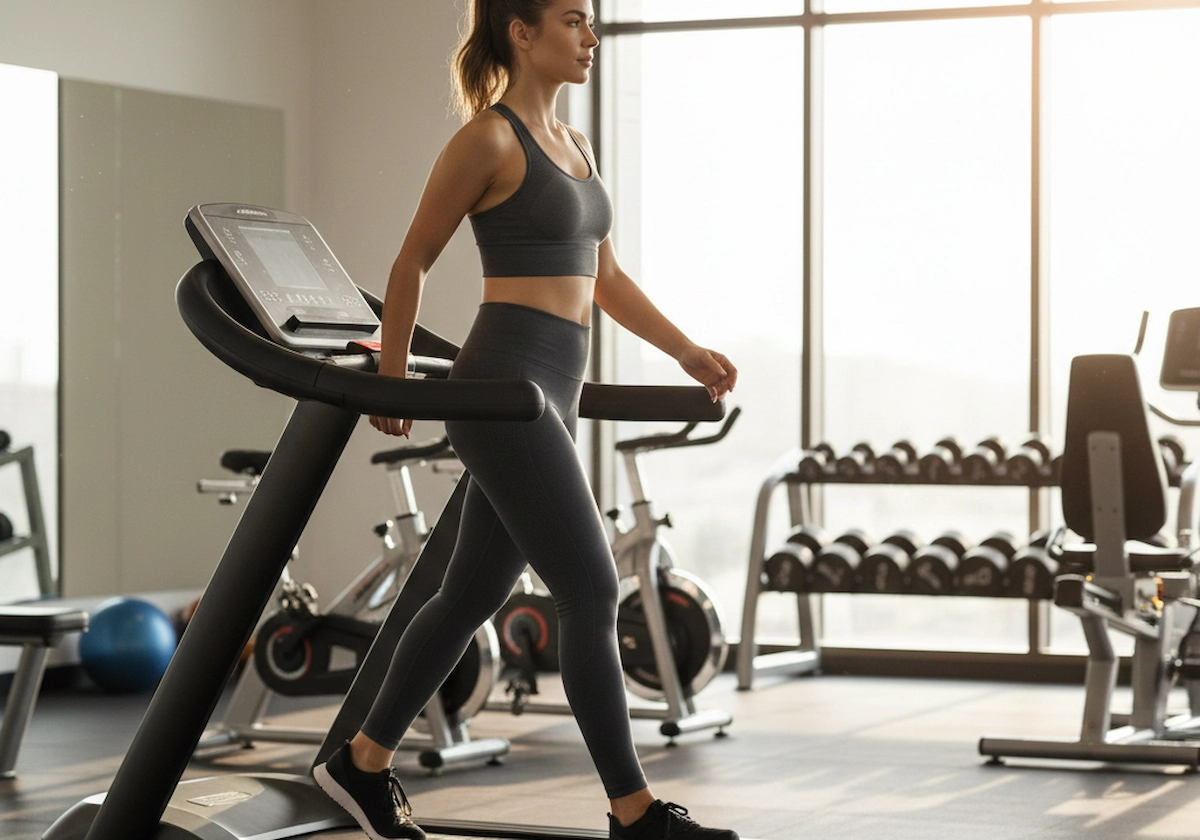
Walking into a gym for the first time can feel intimidating, especially when everyone else seems to know exactly what they’re doing. That confusion often leads new members to quit early, and it’s rarely about motivation. In reality, the problem is a lack of structure (and yes, we’ve all been that person pretending to read the instructions on a machine).
At I Am Capable Fitness Coaching, we’ve guided beginners through this exact moment many times. So we put together this guide to help you get started with physical activity, build a simple fitness routine, and finally feel confident when you exercise.
Let’s get started!
What Is a Beginner Fitness Plan and Why Does It Work?
A beginner fitness plan is a weekly exercise schedule that tells you exactly what to do and when. Once you start putting it into action, you’ll walk into the gym knowing which muscles to train, how many sets to perform, and when to take a rest day.
This kind of structure removes the guesswork that causes most people to quit. So instead of wandering around wondering what exercise to try next, you follow a clear routine. Your body also gets the recovery time it needs, which helps you train consistently without burning out.
What’s more, people who follow a step-by-step fitness program are more likely to stick with their exercise plan longer than those who wing it.
Building Your First Workout Routine Step-by-Step
Building your own workout routine puts you in control of your schedule and progress. And once you have a structure that fits your week, showing up to the gym becomes much easier.
For your convenience, here’s a quick overview of what you’ll need to include:
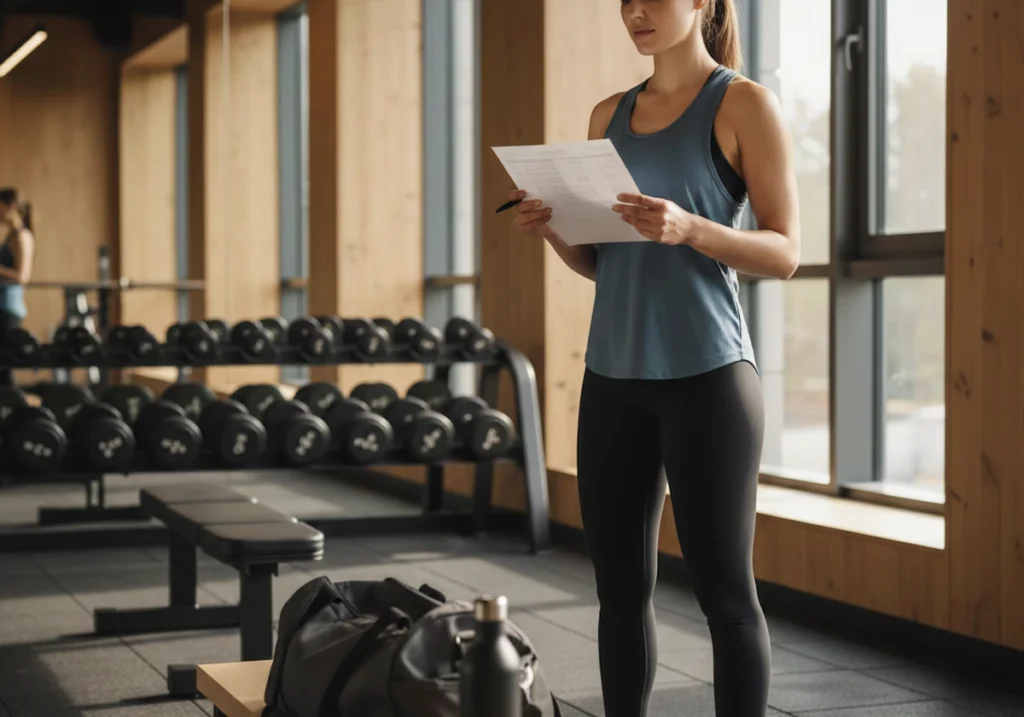
Choose Your Training Days
Start with three training days per week, with rest days in between. These rest days give your muscles time to recover and rebuild after each session. Without that recovery, fatigue piles up, and your body can’t adapt. Aim for at least one full rest day between sessions.
Pick Your Exercises
Through our work with beginners at IAC, we’ve found that focusing on major muscle groups gives the best results in less time. So target large muscle groups like your legs, back, chest, and core. For example, a simple session might include squats, push-ups, rows, and lunges.
Set Your Reps and Sets
Keep things simple at first. Perform 3 sets of 10 reps for each exercise, then increase gradually as you get stronger. This gives your muscles enough stimulus to grow without overdoing it.
A solid routine like this builds the foundation for everything that comes next.
Why Strength Training Belongs in Every Workout Plan
Believe it or not, lifting weights or using resistance training is one of the best things you can do for your health and fitness, even as a beginner.
When you train your muscles against resistance, your body responds by building lean tissue. This increases your metabolism, so you burn more calories even at rest. Strength training also helps increase bone strength over time, lowering your risk of injury as you age (your body doesn’t care if it’s a dumbbell or a water bottle, resistance is resistance).
On top of that, adding resistance training two to three times per week creates balance in your workout plan. Cardio alone can indeed improve heart health. But combining it with strength work builds a stronger core, supports muscle hypertrophy, and helps you perform daily tasks with more intensity and energy.
How to Warm Up Before Your Upper Body and Lower Body Sessions
A proper warm-up can be the difference between a great session and a pulled muscle.
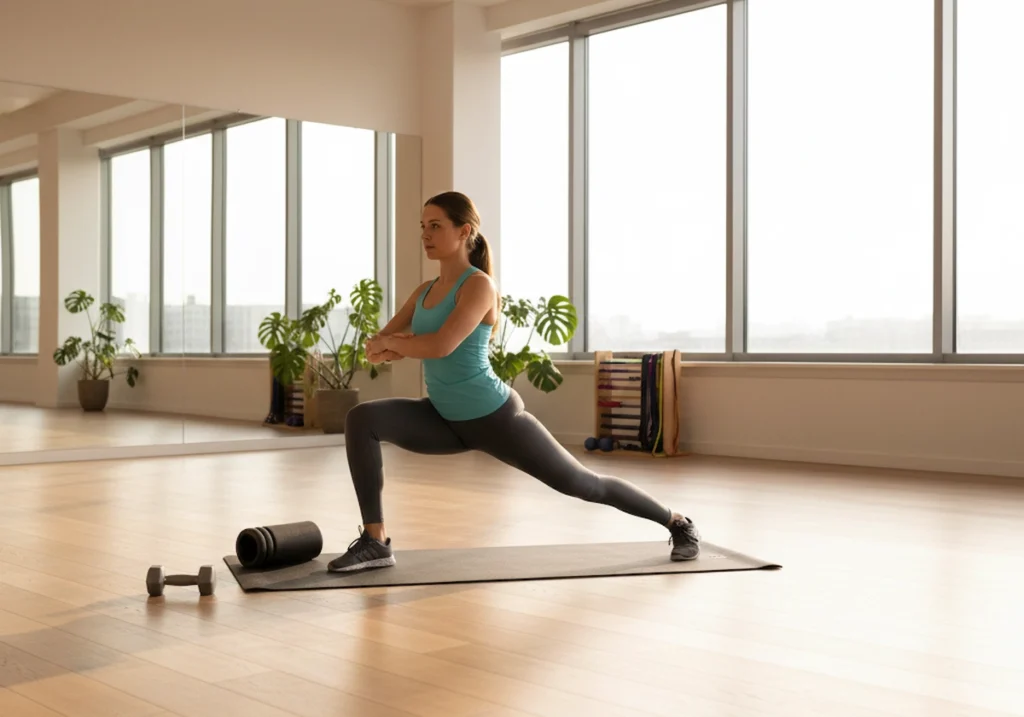
When you warm up, you increase blood flow to your muscles and prepare your body for the work ahead. This raises your heart rate gradually and helps you perform at a higher intensity without shocking your system.
Here’s a surefire routine you can follow: For upper body muscles, focus on loosening your shoulders, arms, and chest. And for lower body workouts, target your hips, glutes, and lower body muscles with dynamic movements.
After your body starts to feel loose and your heart rate is up, you’re ready to train.
When to Work with a Personal Trainer to Lose Weight or Build Muscles
A trainer can help if you feel stuck, confused about proper form, or uncertain about how to target specific goals. Based on what we’ve seen with new members at IAC, those who work with a coach stay consistent longer and avoid injury more effectively. So having someone in your corner keeps you accountable and helps you focus on what moves the needle.
What’s more, trainers design programs around your goals, whether you want to lose weight, build muscle, or improve your overall health and fitness. And the benefits go beyond the gym, as you learn habits that carry into everyday life.
If you’re looking for that kind of guidance, IAC’s Beginner Fit Package offers coaching, check-ins, and a personalised plan to help you achieve lasting success.
How to Track Progress and Plan Your Next Workout
Tracking your progress is one of the easiest ways to stay motivated and see how far you’ve come. When you know what’s working, you can plan your next workout with more confidence and focus.
Here are a few simple ways to keep tabs on your fitness journey:
- Record Your Workouts: Write down the exercises you perform, the weight you use, and how many reps you complete. Over the course of a few weeks, you’ll start noticing patterns and improvements.
- Monitor How Your Body Feels: Pay attention to your energy levels, stress, and soreness after each session. If your muscles feel constantly fatigued, you may need more rest. If you feel strong and ready, it might be time to push a little harder.
- Set Small Weekly Targets: Aim for something specific each week, like adding one extra rep or trying a new exercise at the gym. These small wins build momentum and keep your routine fresh.
- Adjust As You Go: Your body changes over time, so your training should too. Review your progress every few weeks and make tweaks to target areas that need more attention.

Tracking doesn’t need to be complicated. A simple notes app or workout journal works effectively for most beginners, and it helps you train with purpose rather than guessing.
Your First Step Starts Today!
Here’s the truth most fitness articles won’t tell you: perfection isn’t the goal. The best workout routine is the one you actually follow, even if it looks different from what you see online.
So start small and stay patient. Building a sustainable exercise habit takes time, and that’s perfectly fine. Just focus on showing up consistently, and the results will come.