Have you ever started a workout plan feeling motivated, only to quit after a few weeks? Yeah, that happens with most of us.
Workout might feel great at first, but how do you handle it when work gets busy, energy drops, or things feel too complicated? Just one missed day often brings the routine back to square one.
If this sounds like you, you’re in the right place. In this guide, we’ll share how you can build a daily fitness routine and new habits that fit your life.
First, we’ll explain why creating habits is the best way to stay consistent with your workouts.
Why Building Habits Helps You Stay Consistent With Fitness
Building habits helps you stay consistent with fitness because they run on autopilot. Unlike motivation, which can fade when life gets tough, habits will keep you moving even on hard days.
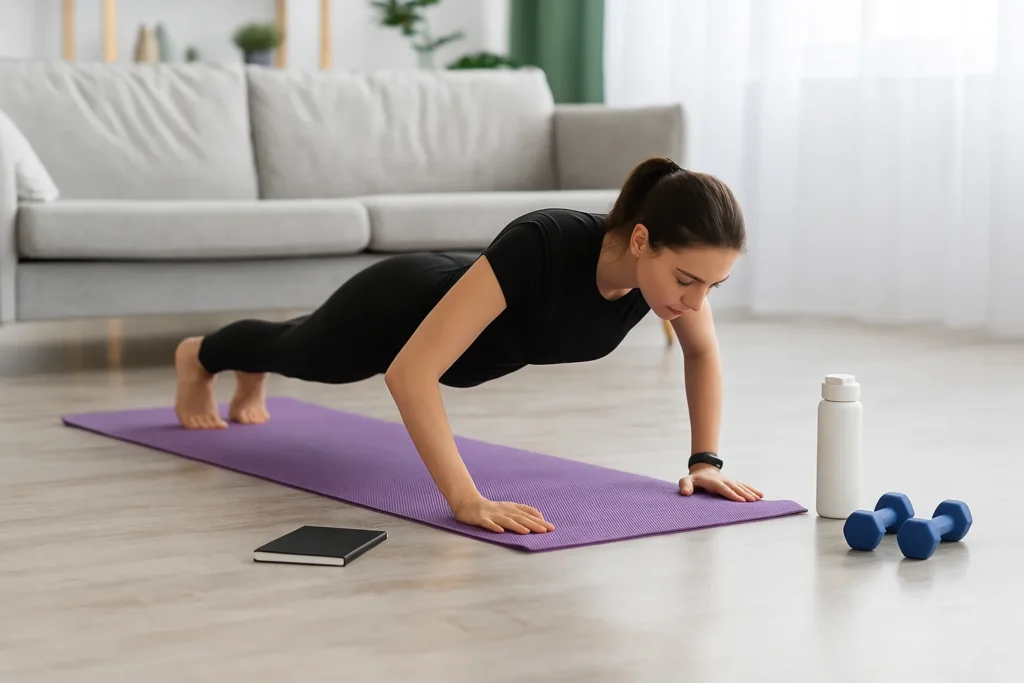
Here’s how you can build habits that will support your fitness routine.
How Habits Form and Why It’s Important
Starting small is the part most people skip. You don’t need to spend an hour at the gym right away. Just pick one small action (like taking the stairs instead of the elevator) you can repeat each day.
The strategy is to pair it with something you already do, like drinking your morning coffee or brushing your teeth. This approach is called habit stacking, and it works because your existing ones give you a place to attach new habits (our brain really likes patterns). So if you connect a new behavior to an old routine, it becomes automatic way faster.
The Science of Consistency Over Intensity
A study published in the Scandinavian Journal of Medicine & Science in Sports revealed that doing a little bit of exercise 5 days a week is better than going hard once or twice a week. Your body gets used to regular activity faster and so your mind builds the habit faster too.
Think of it like watering a plant: a little water each day will keep it growing strong, but drowning it with water once a week will just kill it. The same idea applies to building a fitness routine into your daily life.
Connecting to Physical and Mental Health
You might already know this, but regular physical activity releases endorphins and serotonin (the “feel-good” chemicals) to lift your mood. Even a quick 10-minute walk can ease your anxiety and stress.
This link between physical health and mental health shows why you need a realistic fitness routine for your whole life. Otherwise, you’ll continue to skip workouts, feel guilty, and lose the benefits.
How to Plan a Fitness Routine That Fits Your Busy Life
The best fitness plan goes with your daily schedule. It should fit into your day without making your work, errands, or family time feel heavier.

So, let’s figure out your own fitness planning for the life you’re living right now.
Plan Around Real Life
What does your usual week look like? Start by going through your schedule and noticing how the days flow for you.
For example, on Monday and Thursday evenings, you could do 20 minutes of strength training after work, Tuesday, a 10-minute walk during lunch break. Wednesday could be a rest day and Friday could be a short workout before dinner.
Notice that this weekly structure mixes strength training exercises, regular movement and recovery time (you really need that rest day).
Yes, your plan will create messier weeks sometimes, but if it doesn’t add extra stress, you’re on the right path.
Everyday Movements
Walking to the store, carrying grocery bags, or cleaning your house all count as physical activity. You don’t necessarily need fancy equipment or a gym membership for your workout routine. Taking the stairs instead of the elevator and walking or cycling to nearby places can help you do these tasks more easily while staying on top of your daily routine.
Layer Onto Existing Ones
Now let’s talk about making these new habits stick. The easiest way is to add movement to things you already do every day.
For instance, you can do some squats while your coffee brews in the morning. During your usual work breaks, take a moment to stretch. And end the day with a short walk after dinner.
Linking these new actions to things you already do will also make them easier to remember. This way, you’re making small upgrades to what you already do.
Add Short Bursts to Your Week
What if you still can’t find 30 straight minutes anywhere in your day? Don’t worry. You can break your movement into smaller chunks and still get similar benefits. A sports medicine specialist at University Hospitals mentions that short bursts of exercise can still improve your fitness and health.
You can start with five minutes of jumping jacks in the morning, then squeeze in a 10-minute walk at lunch, and end the day with a few pushups before bed. These quick mini-workouts will add up over the week without needing much planning at all.
Making It Realistic for Busy Lives
If your schedule is packed, we recommend starting with just two workouts per week. That’s all you need to get moving.
Also, you can do basic bodyweight moves at home (like squats or planks). Then add water bottles as weights if you want to increase the effort. The goal is to build a routine that fits your day-to-day life.
Start Building Your Fitness Routine Today
Does this feel like something you can actually do?
Hopefully, you understand now why routines beat motivation and how to fit strength and movement into your day.
Your next step is to start small today. Pick just one 10-minute session you can do. Then link it to something you already do, like your morning coffee or bedtime routine. Write it down so you can track your progress.
Remember, your fitness journey won’t grow from chasing perfection. But your new habits will build on themselves over time.
Want more help building routines that stick? Head over to IAC2014 for extra resources and support on your fitness journey.