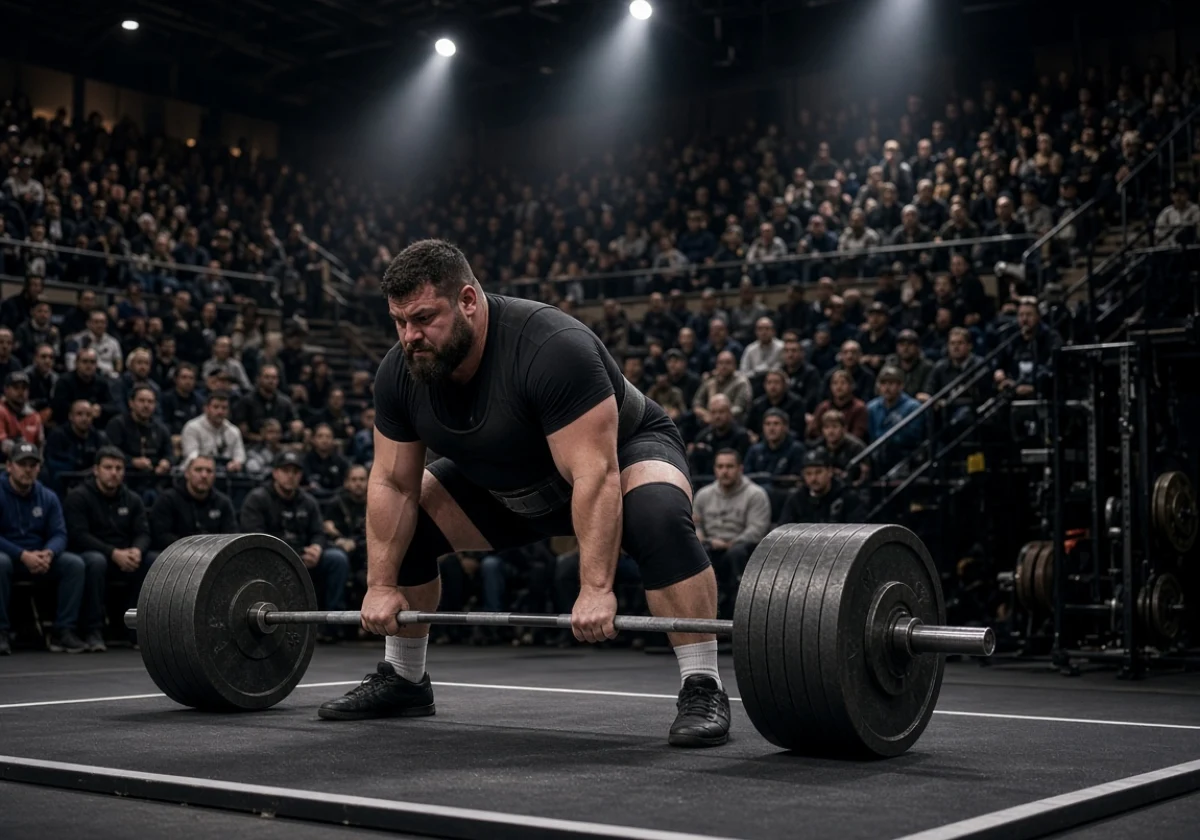
Exercise order affects your strength training results because the lifts you do first get the most energy. As your workout progresses, muscle fatigue makes it harder to maintain the same strength and effort. This means the exercises you prioritise can affect how much progress you make.
However, many people plan which exercises to include without thinking about their order. At IAC2014, we share fitness guidance to help readers plan their workouts around clear training goals.
This guide covers what belongs first, why compound exercises earn priority, how fatigue caps muscle growth, and how to match your order to one goal. Read it before your next session.
What Should You Do First in a Strength Training Session?
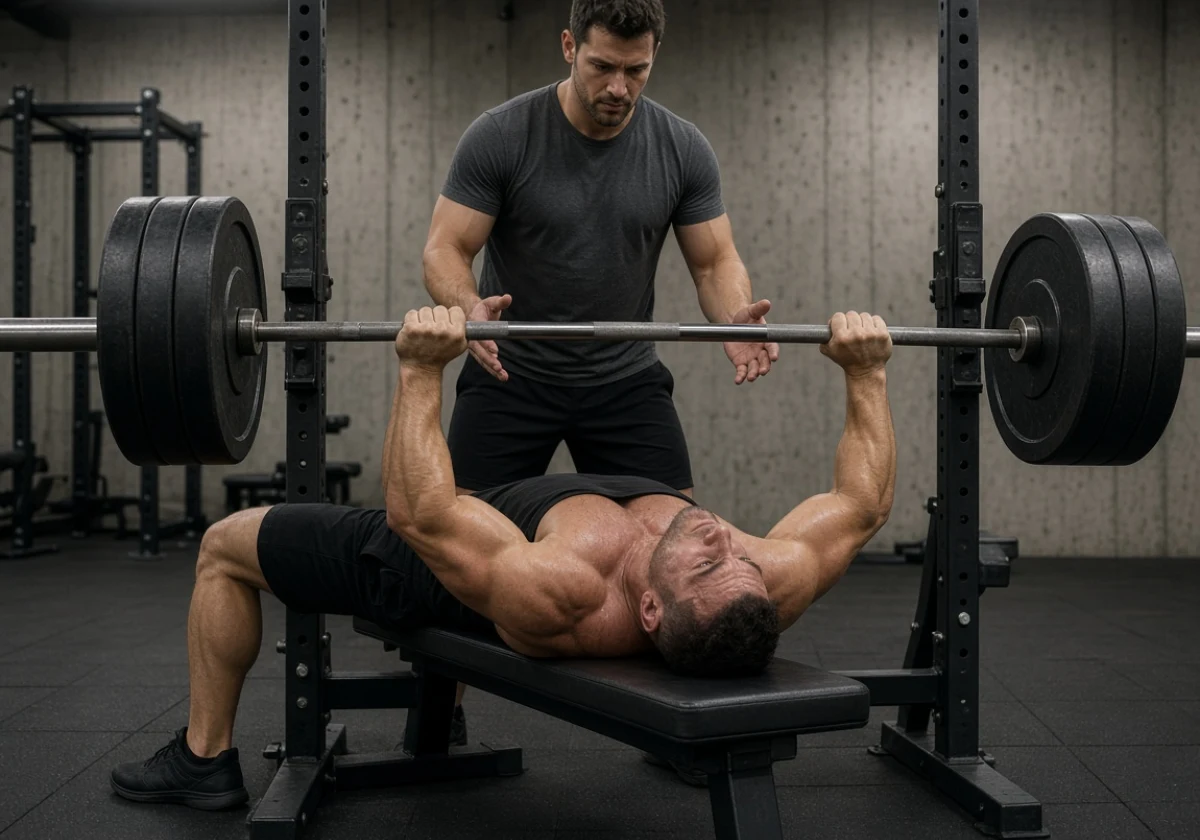
After warming up, start with power exercises, followed by compound lifts and then isolation exercises. Leave cardio until the end of your strength training session. This order helps you tackle the most demanding exercises while your muscles are still fresh, before fatigue sets in.
Below, we’ve broken down what belongs in each of the four slots.
Power Exercises: Speed Work While You’re Fresh
Power exercises should come first because speed drops as your body gets tired. Examples include jump squats, medicine ball throws and the clean and jerk. These movements rely on quick, powerful actions, so doing them while you’re fresh helps you maintain good technique.
As soon as your movements start to slow down, end the set. Continuing with slower reps can affect your technique and reduce the quality of the exercise. Keep the volume low, with around three to five sets of three reps, so you have enough energy left for the heavier lifts that follow.
Compound Lifts Carry the Heavy Loads Next
Next, move on to compound exercises that work several muscle groups at once. Back squats, bench presses, shoulder presses and rows all fit into this part of your workout. Since these exercises require strength and control, place the lift you most want to improve at the start while you still have plenty of energy.
You can also alternate between push and pull exercises so one muscle group gets a break while the other works. As you move through each lift, pay attention to your technique, especially during the final set.
If your form starts to slip, stop the set rather than pushing through with poor technique. This helps you maintain good form and avoid unnecessary fatigue.
Why Isolation Work Waits Until the End
After completing compound lifts, add isolation exercises that focus on one muscle group at a time. These exercises come later because tiring smaller muscles too early can affect your performance on bigger lifts. For example, doing triceps pushdowns before bench presses may reduce the repetitions you complete during your main lift.
Leg extensions, tricep pushdowns and curls are all good choices at this stage. Since they require less balance and coordination, you can still perform them with good form even when you’re tired.
At this point, focus on controlled movements rather than lifting heavier weights. Two or three sets of 10 to 15 reps are usually enough to finish your strength training.
Where Cardio Fits in Your Workout Structure
Finish your strength training with cardio, as doing it earlier can tire your legs and affect your lifting performance. For a full-body workout, 10 to 20 minutes of light cardio at the end is usually enough.
If cardio is your main focus for the day, consider doing it in a separate session a few hours apart from strength training. This will give you time to recover between workouts and help you put enough effort into both.
Intense running also needs careful planning, especially when your routine includes heavy lower-body exercises. Schedule hard runs on separate days so your legs have enough energy for squats and other demanding lifts.
Why Compound Exercises Usually Come Before Isolation Work
Many people spend their energy on smaller exercises, such as arm curls, before moving on to bigger lifts like the bench press. However, compound exercises should come first because they work several muscle groups and require more strength. Doing them early gives you the energy needed to perform them well.
The reason comes down to how much each exercise demands from your body. A bench press works the chest, shoulders and triceps together, while a tricep pushdown mainly targets one muscle group. Since compound lifts involve several muscles at once, they benefit more from fresh muscles and better focus.
You can see the benefits of changing exercise order without adjusting your sets or reps. When lifters move their main exercises to the start of a workout, they often find that the first set feels easier. They can lift the same weight with better speed and less effort.
This doesn’t make isolation exercises any less useful. They still help target muscles that compound lifts may not fully work, especially in the upper body. Placing them after your main lifts allows you to work these smaller muscle groups without affecting your performance on heavier exercises.
One caution is worth adding: the first exercise doesn’t always have to be the heaviest lift. Your priority should be the movement you most want to improve. For example, if your overhead press has stopped improving, place it before squats on push day. This will give that lift your freshest energy and attention.

Fatigue Decides How Much Muscle Each Lift Can Build
Managing fatigue helps you get more out of every set in your workout. As you train, fatigue builds in two areas: the muscles doing the work and the central nervous system that controls their movements. Both can affect how much weight you lift and how well you perform each exercise.
A 2023 umbrella review published in the Journal of Sport and Health Science found that exercise order affects muscular strength gains. Exercises performed earlier benefit from lower fatigue, which allows lifters to use heavier relative loads and put greater effort into each set. As a result, changing exercise order can affect strength gains, even when the exercises and training volume stay the same.
Central fatigue is the sneaky one, because it dulls your drive before your muscles give out. If you’ve ever had set three feel heavier than set one at the same weight, you’ve met it already.
You can also spot the effects of poor exercise order in common training mistakes:
- Heavy singles attempted after a long block of assistance exercises
- Grip giving out on rows before your back muscles do
- Bench press reps lost because tricep pushdowns came first
- Squat depth shrinking once your core has already worked hard
- Power exercises pushed to the end, when speed has gone
Look for these problems in your own workouts and consider changing the exercise order where needed. Even one small adjustment can help you perform your main lifts with better strength and control.
Matching Your Exercise Order to Your Main Goal
Once fatigue is under control, your fitness goals drive the training planning and decide which lift deserves the top spot in your routine. The same four exercises can serve two people differently, ordered around what each one wants from the week.
Match your main goal to the first lift using the table below.
| Your main goal | Put this first | What it changes for you |
|---|---|---|
| Maximum strength | Heaviest compound lift, low reps | Load and controlled technique stay high while you’re fresh |
| Size and hypertrophy | Your lagging muscle group | Weak areas get full effort rather than leftovers |
| Weight loss | Full-body compound exercises | Keeps the heart rate up without cutting cardio short |
| Skill and power | Olympic lifts or jumps | Protects bar speed, which fades before strength does |
If you have two goals, give each one its own training day rather than trying to focus on both in one session. This will make it easier to plan your exercise order and give each goal enough attention.
Quick Tip: Use the table as a starting point, then adjust your order if fatigue repeatedly affects the exercise you’re trying to improve.
Why Does Fitness Coaching Disagree About Gym Exercise Order?
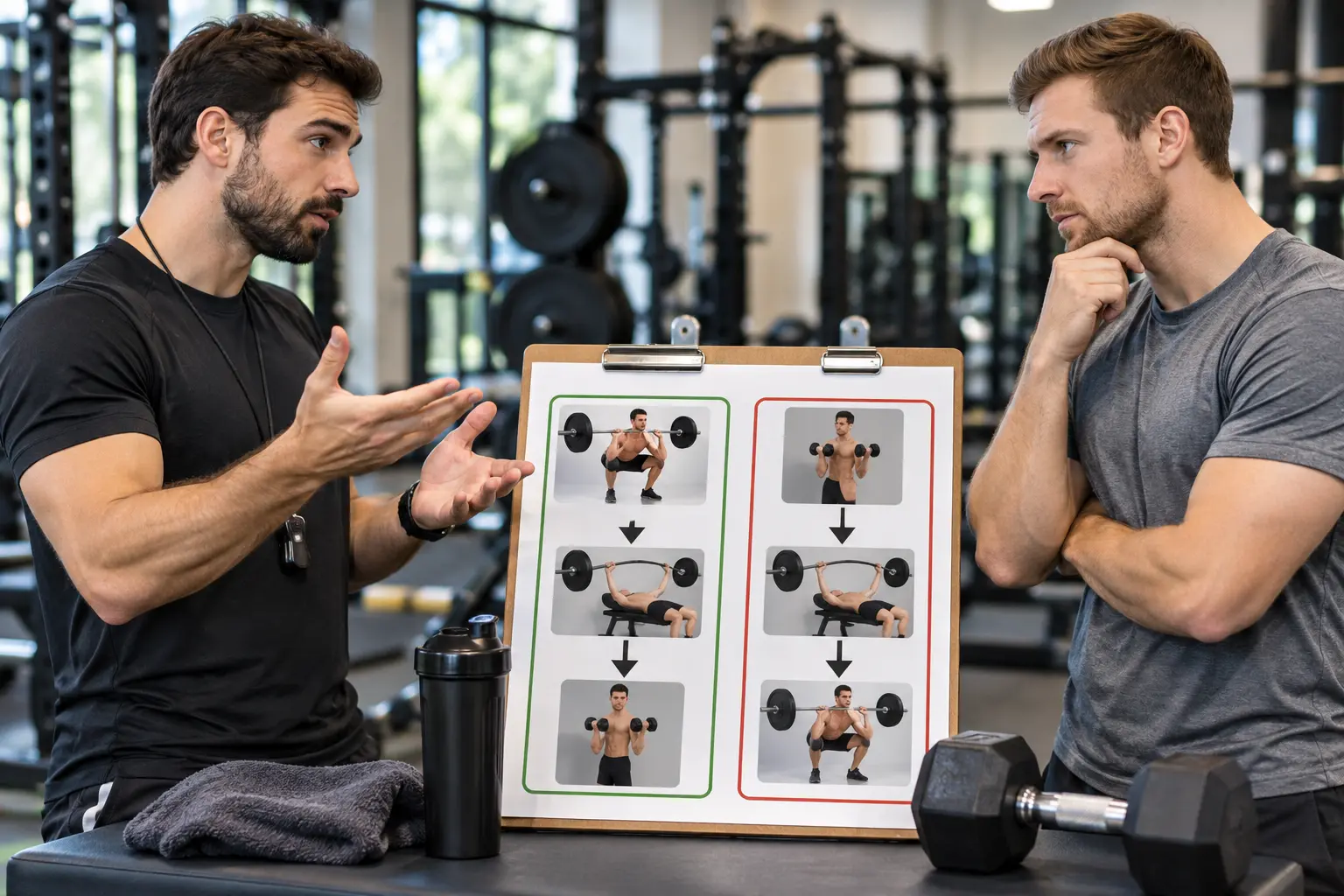
A powerlifter may prioritise heavy compound lifts, while a bodybuilder may focus first on a weaker muscle group. Differences in training goals, experience and research methods help explain why coaches recommend different exercise sequences.
Three reasons explain the disagreement you’ll read online:
- Different Training Goals: A powerlifter and a bodybuilder read the same research and reach opposite conclusions. Strength work rewards a fixed main lift up front, while size work rewards whichever muscle group needs the attention. Settle your primary goal before you copy anyone’s recommended order.
- Beginner Versus Advanced: Beginners can make progress with almost any exercise order because their bodies are still adapting to training. Experienced lifters have less room for error, so placing exercises poorly can affect their performance. As your strength and technique improve, planning the sequence becomes more important.
- Study Design Differences: Research findings don’t always agree because studies use different participants and training methods. One study may find little difference between exercise orders, while another reports better results when compound lifts come first. Check the participants’ goals and experience before applying those findings to your routine.
Once you’ve chosen an order that suits your goals, stick with it for eight to 12 weeks. This will give you enough time to track your performance and see if the changes are helping. In our coaching work, we’ve found that keeping the same sequence makes it easier to measure progress and decide what needs adjusting.
Make Your Strength Training Plan Count From the First Lift
A good exercise order starts with knowing which lift deserves your best effort. If your main exercise suffers after several smaller movements, try placing it earlier. Keep your other exercises in a familiar sequence so you can compare your performance across sessions.
Track the weight, repetitions and technique of your priority lift over the next few weeks. Small changes in exercise order help you maintain better performance as fatigue builds. Before your next workout, review your routine and choose one exercise to prioritise.
IAC2014 shares practical fitness coaching for lifters who want their workout structure to earn its keep. Contact us to plan an order that fits your goals and your week.