
Ever finished a workout feeling strong, only to wake up the next morning barely able to move? That soreness is your body telling you it needs time to recover.
Your muscles don’t grow while you’re exercising. They actually grow while you rest. Every tough session creates small tears in your muscle fibres, and your body needs time to repair that damage. And that repair process is what actually makes you stronger.
The problem is, most people skip recovery and jump straight into the next workout. And more training doesn’t always mean better results.
So, in this article, we’ll break down the science of muscle recovery, common mistakes that slow progress, and simple strategies that help you recover faster.
Muscle Recovery: The Science Behind Better Performance
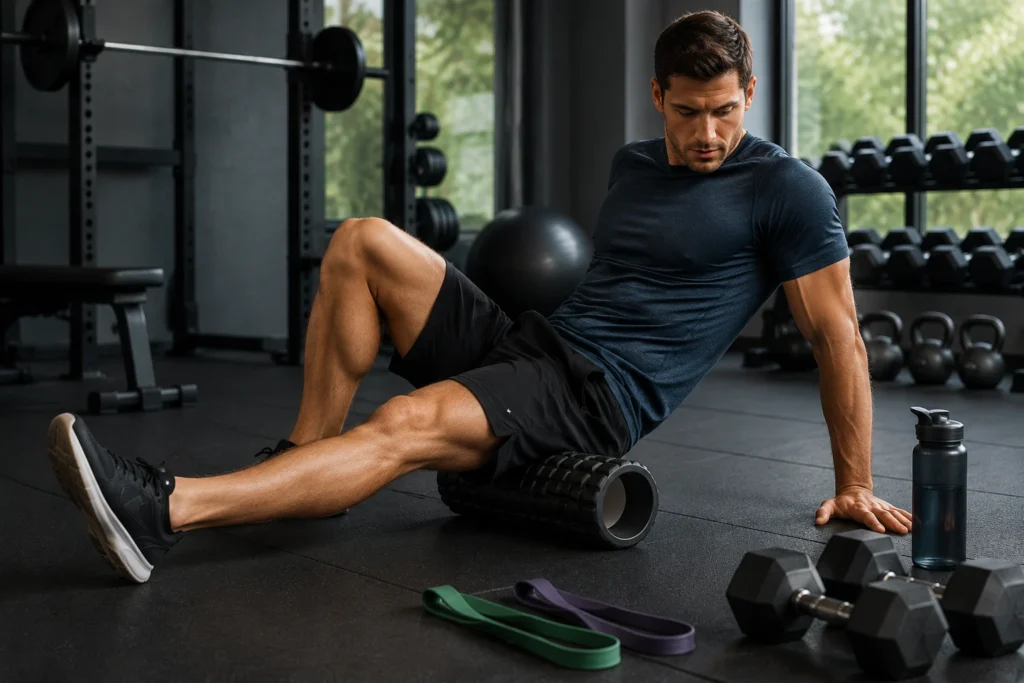
As we mentioned, recovery after a workout is where your body actually adapts and gets stronger. Without it, all that hard work in the gym has nowhere to go. Let’s look at how the process works and what you can do to support it.
What Happens to Your Muscles After Exercise?
Every time you do resistance or endurance training, you’re putting stress on your muscle fibres. That stress creates tiny tears in the muscle tissue (and that’s completely normal). It’s actually the first step in how your body adapts to exercise.
Once the damage happens, your immune cells move in to clear away damaged tissue. Think of it like a cleanup crew clearing the site before builders can get to work. Without this step, your body can’t start repairing muscle fibres.
With the damaged tissue cleared away, blood flow to the area increases. This brings oxygen, protein, and other nutrients your muscles need to begin repairing and rebuilding. That’s also why proper nutrition and hydration play such an important role after a workout.
Why Muscle Growth Happens Between Workouts
Your body fixes damaged muscle fibres through something called muscle protein synthesis. Basically, it uses protein from your diet to patch up and strengthen the fibres that tore during your session. This process can stay active for up to 48 hours after exercise, which is why what you eat and how you rest in that window are so important.
While that repair is happening, your body also works to restore its glycogen stores. These are the energy reserves your muscles rely on during training. Refuelling them with carbohydrates after exercise is a big part of post-workout recovery, especially if you train regularly.
But the recovery doesn’t stop there. Sleep is when many of your body’s repair processes continue. During deep sleep, your body releases growth hormone, which directly supports muscle repair and long-term muscle growth. For most adults, that means aiming for 7 to 9 hours of quality sleep each night.
Muscle Soreness Isn’t the Goal
A lot of people think that if their muscles aren’t sore the next day, the workout wasn’t hard enough. That’s a common misconception. Soreness just means your body faced unfamiliar stress, and it’s not a reliable sign of how effective the session was.
What most people call “next-day soreness” is delayed onset muscle soreness, or DOMS. It usually peaks somewhere between 24 and 72 hours after a session. And despite what you might have heard, it comes from inflammation caused by exercise-induced muscle damage, not from lactic acid buildup.
This means you can still have a great workout without feeling overly sore afterwards. After all, progress comes from consistency and gradual overload over time.
Recovery Myths That Could Be Holding You Back
One of the most common myths is that training every single day leads to faster results. In reality, your muscles need around 48 to 72 hours to fully recover after intense exercise. Pushing through without rest days can actually slow your progress instead of speeding it up.
There’s also a belief that protein powder is the only way to support muscle recovery. Frankly, a balanced diet with enough protein from whole foods like chicken, eggs, and legumes does the job just as well for most people. Supplements can help if whole foods aren’t meeting your protein needs, but they’re not essential.
And no, you don’t need ice baths or static stretching after every single workout. Cold therapy and stretching both have their place, especially after high-intensity sessions. But doing them without a clear purpose won’t magically speed up your recovery.
Build a Smarter Post-Workout Recovery Routine
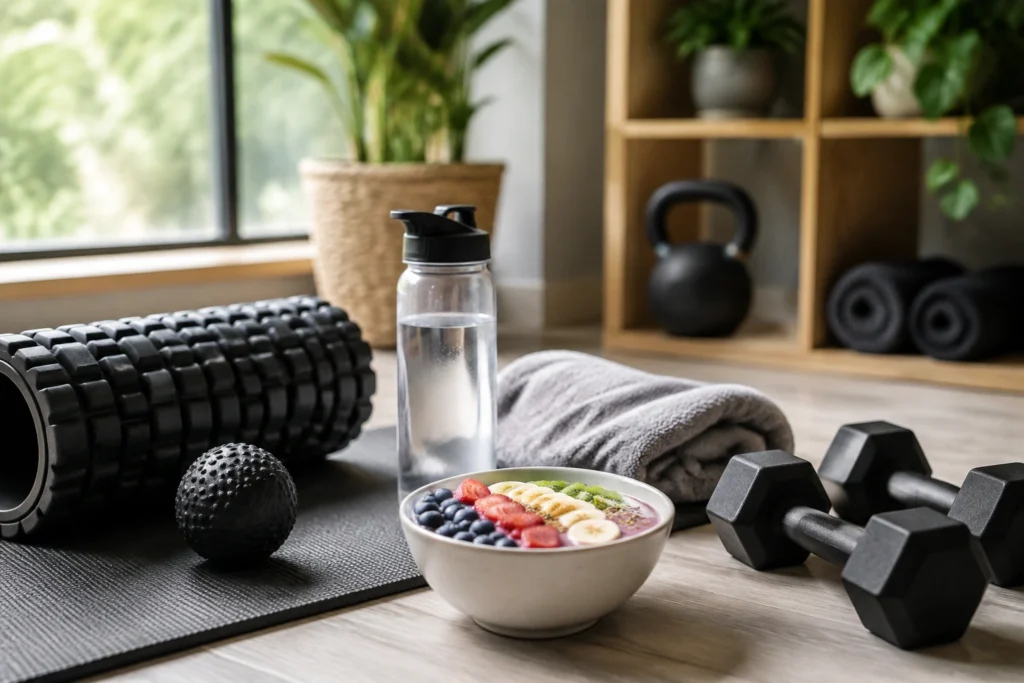
A good recovery routine just needs to cover the basics consistently. Here are the habits, nutrition tips, and tools that actually help your muscles recover between sessions.
Prioritise the Most Important Recovery Habits
Not every recovery strategy carries the same weight. Some have decades of research behind them, while others only offer a small boost. The better move is to nail the foundations first and add extras once those are locked in.
Below is a practical hierarchy, ranked by how much they actually help:
- Quality Sleep: Your body does most of its repair work while you sleep. That’s because deep sleep is when growth hormone gets released, and that hormone directly supports muscle repair. So as we mentioned earlier, aim for 7 to 9 hours each night to give your body enough time to do its job.
- Balanced Diet: Whole meals come next. They give your body the vitamins, minerals, and energy it needs to bounce back after a hard session (no supplement on the shelf can fully replace that).
- Protein Intake: Your muscles need protein to repair and rebuild after exercise. For most people aiming to build or maintain muscle, around 1.6 g of protein per kilogram of body weight each day supports muscle protein synthesis and recovery.
- Hydration: Water supports nearly every stage of muscle recovery. It carries nutrients to your muscles and flushes out waste products, so even mild dehydration can slow the whole recovery process down.
- Planned Rest Days: Without enough downtime, all that training volume can work against you. As you know by now, your muscles need about 48 to 72 hours to rebuild after a hard session. So schedule rest days into your week to keep your progress moving forward.
- Active Recovery: On those rest days, light movement like a walk or easy swim will keep blood circulation going. That extra blood flow helps deliver nutrients to sore muscles and reduces overall stiffness at the same time.
- Foam Rolling: Spending a few minutes with a foam roller can loosen up tight spots and improve your range of motion over time. It’s a simple habit that pairs well with active recovery days.
- Stress Management: Ongoing stress can keep cortisol levels high, which interferes with muscle repair. But just 10 minutes of deep breathing or light stretching can help lower stress and support recovery.
- Recovery Tools: Once you’ve covered the basics, recovery tools like compression garments, massage guns, and cold therapy can provide some extra support. They can offer small benefits on top of everything above, but they work best as add-ons rather than replacements for the foundations.
Start with the top three on this list and stay consistent with them. Those alone will cover most of what your body needs to recover properly. You can layer in the rest over time as your fitness regimen develops.
Are Recovery Tools Worth Your Money?
The recovery tool market has grown massively over the past few years, and it’s easy to get caught up in the hype. Some products have solid evidence behind them, while others are mostly marketing with a premium price tag. Here’s what the research actually says about the most popular options:
- Compression Garments: Some studies suggest that wearing compression garments after a workout can slightly reduce muscle soreness, although the overall benefit is modest. If you train frequently, they may be worth trying to make recovery between sessions a little more comfortable.
- Ice Baths: Cold therapy is popular among professional athletes for good reason. It helps reduce pain and inflammation after intense sessions. That said, using ice baths too often may actually slow down long-term muscle growth, so they’re best saved for heavy training days.
- Massage Guns: If you already foam roll regularly, a massage gun works in a similar way by targeting tight spots and promoting blood flow. They’re handy to have around, but far from a must-buy.
- Sports Drinks: After long or sweaty sessions, electrolyte-rich beverages help your body hold onto fluids better than water alone. However, for shorter workouts, plain water is usually all you need.
- Recovery Boots: Pneumatic compression boots are the newest addition to most gym recovery rooms. They may help with lymphatic drainage and post-session soreness, but the research is still limited. Unless you’re an elite athlete or training at very high volume, they’re hard to justify.
We believe your best investment is always good sleep, proper nutrition, and regular rest days. Build those habits first, because they have the biggest impact on recovery. Recovery tools can provide a small extra benefit, but they won’t make up for skipping the basics. Once you’ve got the fundamentals in place, you can decide whether any extras are worth adding to your routine.
Recovery Deserves a Place in Every Workout Plan
Every hard session gives your body a chance to come back stronger, but only if you actually let it recover.
The habits we covered in this article, like quality sleep, a balanced diet, and planned rest days, will do more for your results than adding extra workouts ever will. Remember, fitness recovery is a long game, and consistency beats intensity every time.
So forget about chasing soreness. Instead, focus on how you perform week after week. That’s where real progress shows up.
Ready to build a workout programme that works with your body? Our team at I Am Capable Fitness Coaching can set you up with a plan that fits your goals and your lifestyle.