
A personalised workout plan reduces fitness plateaus by changing your exercise program before your body fully adapts. Without those updates, progress slows down regardless of how hard you train.
That slowdown is called a fitness plateau. It happens because your muscles get used to the same movements and stop responding the way they used to. Most people try to push through by training harder, but more effort alone rarely fixes the problem.
The fix is a plan that adjusts to your fitness level, goals, and recovery. So, in this article, we’ll cover why plateaus happen, how a personalised workout plan keeps you progressing, and how fitness coaching helps you get results.
Let’s start with what makes a personalised approach more effective than a generic fitness program.
How a Personalised Workout Plan Helps You Build Strength and Stay Motivated
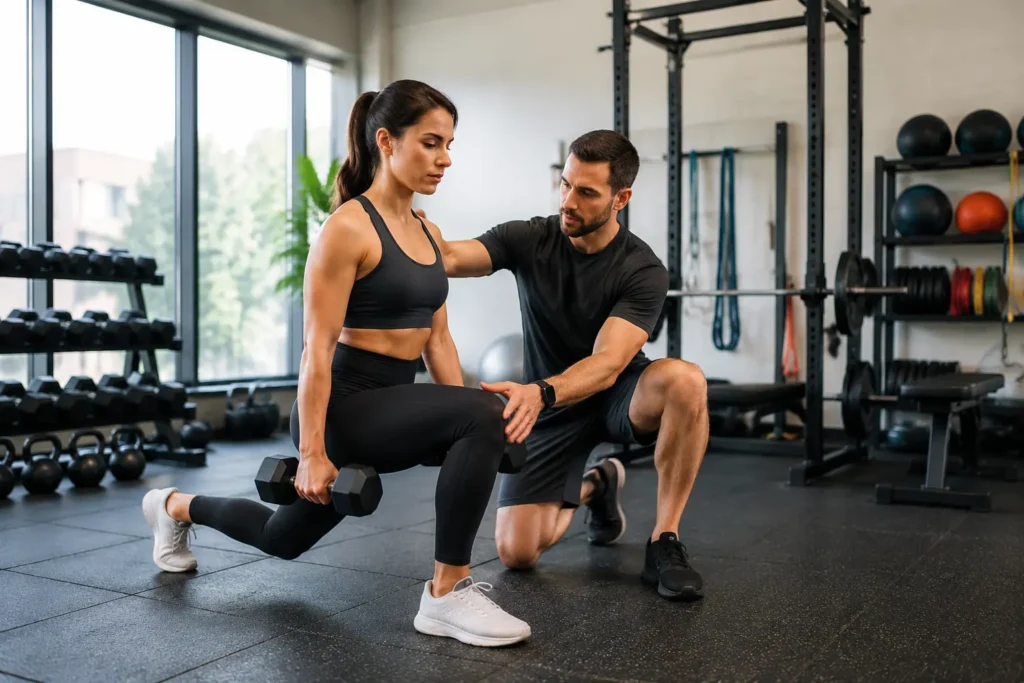
A personalised workout plan builds strength by matching your training to where you are right now. It also keeps you motivated because you can see yourself improving week after week, instead of wondering if anything is working.
Here’s where personalisation stands out.
Train According to Your Fitness Level
Someone new to exercise needs a different plan from someone who’s been training for years.
Beginners can build muscle effectively with just one set of 12 to 15 repetitions per exercise. On the other hand, more experienced lifters usually need extra sets, heavier weights, and more frequent training to keep making progress.
Matching your training to your current fitness level also helps reduce the risk of injury and makes burnout less likely. As you improve, you can set realistic goals, whether that’s doing your first full push-up or adding 5 kilos to your squat. Those wins build momentum (and momentum is what keeps you coming back).
Personalisation Goes Beyond Exercise Selection
A solid fitness program considers your whole life, rather than what happens in the gym. Because your daily routine, stress levels, and recovery all affect how your body responds to physical activity.
This is what a good personalised workout plan factors in:
- Work Schedule: Maybe you can only train before the kids wake up, or you’ve got a rotating roster that changes every fortnight. Your plan should fit around that schedule (not the other way around). That makes it easier to stay consistent over time.
- Available Equipment: A commercial gym opens up a lot of options, but you can get just as far with a set of free weights at home or even body weight exercises alone.
- Previous Injuries: A dodgy knee, sore shoulder, or lower back injury may mean some exercises need to be adjusted. This could be changing the exercises you do, reducing the weight, or limiting your range of motion to protect the injured area. This way you can keep training safely and make progress.
- Recovery Capacity: Someone sleeping six hours a night is likely to recover more slowly than someone regularly getting eight hours. Because recovery affects how much training your body can handle, your workout volume and intensity should match how well you’re recovering.
- Stress Levels: During busy periods at work or major life changes, reducing your training volume or intensity helps your body recover instead of adding more stress. High stress keeps cortisol levels elevated, which makes it harder for your body to recover, lose fat, and build muscle.
- Preferred Training Styles: If you genuinely hate running, forcing yourself onto a treadmill five days a week probably won’t last. Instead, you can choose other activities like strength training, swimming, cycling, or group fitness classes you might enjoy.
A plan that ignores these factors might look great on paper. Yet, in practice, it often falls apart within a few weeks. The best fitness coaching accounts for all of them from day one.
Measure Progress Beyond the Scales
If you’re building muscle and losing fat at the same time, the number on the scales might barely budge, even though your body is changing underneath.
These are better ways to track how you’re actually going:
Strength Improvements
Lifting heavier or completing more reps week to week proves your muscles are adapting. Keep a simple log so you can look back and see how far you’ve come.
Waist Circumference
Forget the scales for a moment. A shrinking waistline reflects fat loss more accurately, especially if you’re gaining muscle at the same time.
Heart Rate Recovery
After a tough set, time how quickly your pulse rate returns to normal. A quicker recovery signals better heart health, and most fitness watches can track this for you automatically.
Endurance
Pay attention to how long you can go in a session and how quickly you recover between sets. Both of those improving means your cardiovascular fitness is heading in the right direction.
Workout Consistency
Plenty of people chase the perfect program when consistency alone would get them further. In fact, showing up three to four times a week is a progress marker on its own.
Energy Levels
If you’re no longer dragging yourself through the afternoon, your fitness program is doing its job. More energy throughout the day is one of the first signs that your training is on track.
Recovery Is Part of the Exercise Program
Training breaks your muscles down. But recovery is where the actual growth happens. For instance, if you skip rest days or ignore sleep, you’ll increase your risk of overtraining and injury.
Instead, aim for seven to nine hours of sleep each night, because that’s when your body does most of its repair work. And give specific muscle groups at least 48 hours before you train them again.
Good nutrition also plays an important role, so eat enough protein to support muscle growth and repair, and stay hydrated throughout the day.
Most importantly, reduce your training intensity for a few sessions every few weeks to let your body recover. That short deload can reduce fatigue and leave you feeling refreshed and ready to keep making progress.
But recovery is just one example of why a personalised approach often delivers better long-term results than a one-size-fits-all program.
How Fitness Coaching Delivers Better Health Benefits Than Generic Fitness Programs
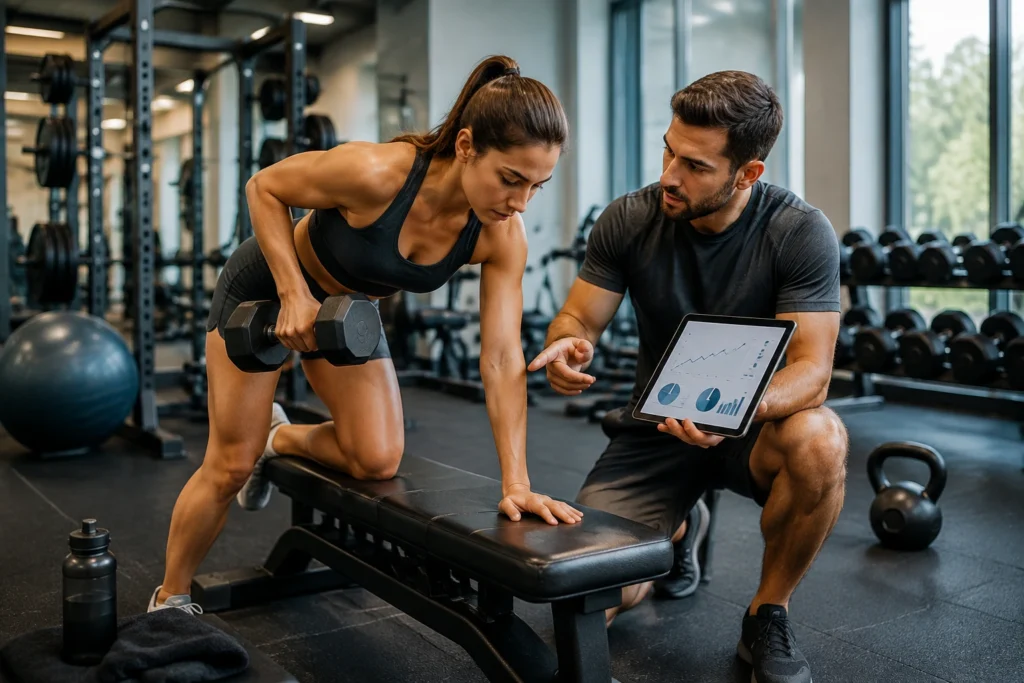
Fitness coaching gives you better health benefits because a coach builds your plan around you and adjusts it as you change. A generic fitness program can’t do that, because it doesn’t know who you are or how your body responds to training.
Let’s see what that difference looks like in real life.
What Fitness Coaching Actually Changes
A good exercise professional doesn’t just write you a program and vanish. They pay attention to how your body responds over time and make changes based on what’s actually happening.
This is what a qualified coach typically adjusts along the way:
- Exercise Selection: If a movement causes pain or just doesn’t suit your body, a coach will swap it for one that hits the same muscle groups without the discomfort. That way, you keep making progress instead of working around a problem.
- Training Volume: Some weeks you need more sets to push past a sticking point. Other weeks, dialling it back is the smarter call. A coach reads the signs and adjusts before burnout sets in.
- Strength Training Progression: Your coach gradually increases your training load to keep you improving without pushing your body too far. This approach, known as progressive overload, helps you get stronger over time. Increasing the weight too quickly, such as jumping from 40 kilos to 50 in one session, raises your risk of injury instead of improving your results.
- Resistance Training Intensity: Not every session should leave you on the floor. A coach adjusts your load depending on where you are in your training block, so harder and easier days balance each other out.
- Recovery Strategies: Your program includes rest days, deload weeks, and sleep recommendations from the start. They help you recover before fatigue becomes a problem.
This level of attention is what separates a personalised workout plan from a generic online template. It’s also why coached athletes typically keep progressing well past the point where self-directed training has plateaued.
The Benefits of Online Coaching
Now, you don’t need to live near a fancy gym or meet a coach face to face to get quality guidance. Online coaching brings all of that support straight to your phone, wherever you happen to be.
A good online coach checks in regularly, so skipping sessions without someone noticing isn’t really an option. Because your program gets reviewed based on how you’re actually tracking, it stays current instead of sitting on autopilot for months.
The scheduling is flexible too, which suits anyone juggling work, family, and everything else life throws at you. And you still get expert feedback on your form, nutrition, and recovery, just delivered in a way that fits around a busy lifestyle.
Build an Exercise Program That Keeps You Progressing
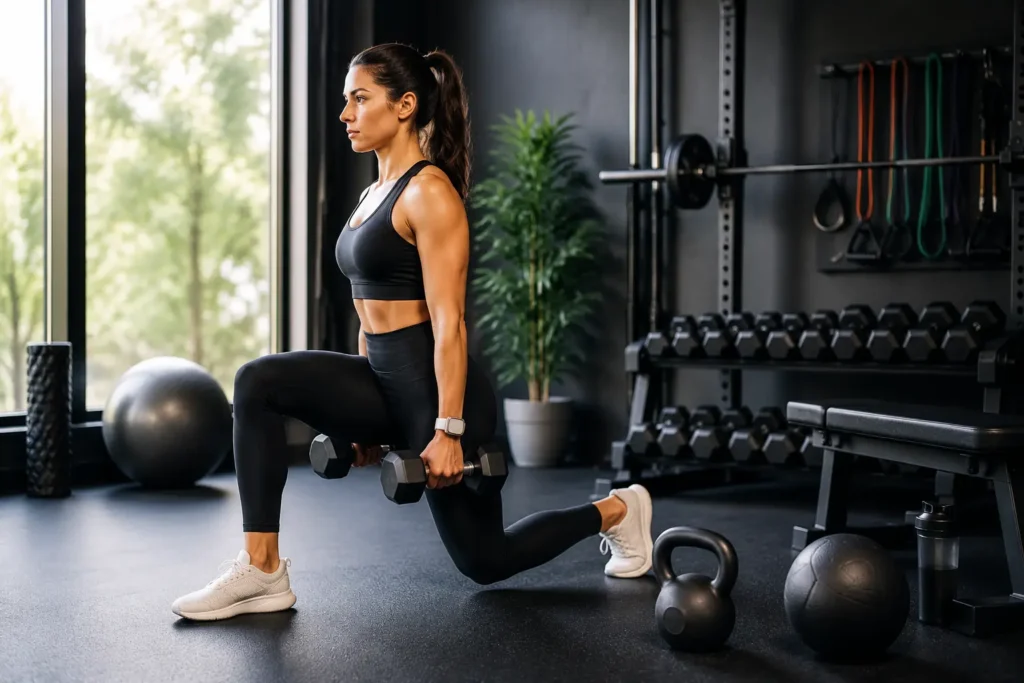
Fitness plateaus happen to everyone, and they don’t mean you’ve failed. They just mean your exercise program needs to catch up with your body.
A personalised workout plan grows with you. As your fitness goals change and your strength improves, your training should change too. Pair that with proper recovery and consistent resistance training, and your results won’t stall after a few months.
So, be honest with yourself when asking:
- Is your routine still challenging you?
- Are you tracking more than just your weight?
- Are you recovering enough between sessions?
If any of these answers feel uncertain, fitness coaching can help. Our team at I Am Capable Fitness Coaching builds plans around your goals, body, and life. Check out our options and take the next step.